Aging in place is a concept that has captured the attention of families, caregivers, and communities alike. It’s a philosophy rooted in allowing seniors to live independently in the comfort of their own homes and familiar surroundings for as long as possible. By prioritizing safety, comfort, and accessibility in living spaces, this movement provides older adults with a sense of security and dignity during their golden years.
At its core, aging in place promotes the idea that seniors shouldn’t have to leave their homes or communities just because they’re growing older. Instead, homes and public spaces can be adapted to meet their evolving needs. By making thoughtful design changes, we can help seniors maintain their independence, improve their quality of life, and reduce the risks associated with aging.
Redesigning Spaces for Safety and Comfort
Aging comes with physical, sensory, and cognitive challenges that can make typical home and community environments less accessible. Homes that were once accommodating may need updates to ensure that seniors can move around safely and comfortably. The “Aging in Place” movement emphasizes smart, intentional redesigns to eliminate barriers and foster independence.
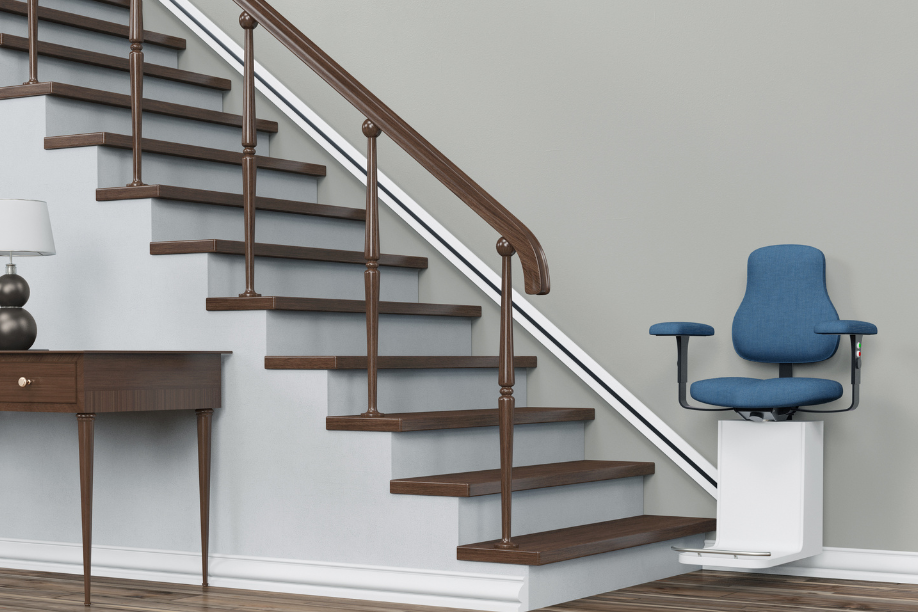
Safety is paramount. For example, something as simple as replacing slippery flooring or installing grab bars in key areas can prevent dangerous falls. Reconfiguring stairs or adding stairlifts can ensure vertical access remains safe and manageable. With aging in place, safety isn’t a compromise—it’s a guarantee.
But redesigning spaces isn’t just about protection—it’s about comfort too. Often, small changes such as lowering countertops for easier access or introducing ergonomic fixtures can make a huge difference in making daily tasks less strenuous for seniors.
Key Home Modifications
To make homes more age-friendly, here are a few key modifications that align with the aging in place philosophy:
- Accessible Doorways and Hallways
Making doorways and hallways wider ensures that walkers and wheelchairs can pass through comfortably. Adding lever-style door handles instead of traditional knobs can also ease use for those with arthritis or reduced grip strength. - Improved Lighting Strategies
Aging eyes require more light, but glare can also be an issue. Strategic lighting, such as installing dimmers, adding task lighting in kitchens and bathrooms, and eliminating dark corners, can improve visibility and reduce fall risks. - Non-Slip Surfaces and Safe Finishes
Smooth or slippery finishes on floors and countertops pose a significant danger to seniors. Using textured, non-slip materials in high-risk areas like bathrooms, kitchens, and outdoor spaces can enhance safety. - Reconfiguring Cabinets and Storage
Cabinets at standard heights may be challenging to reach or open for seniors—or completely out of reach for those using mobility devices. Lowering cabinets, incorporating pull-out shelves, or installing motorized lifts can add convenience and accessibility. - Bathroom Modifications
Bathrooms are one of the most hazardous spaces for seniors. Walk-in bathtubs, curbless showers, and elevated toilets can enhance safety and ease of use. Anti-slip flooring and adjustable showerheads further improve comfort and security. - Accessible Exterior Spaces
Aging in place extends beyond the home’s interior. Modifying outdoor amenities, like adding ramps instead of stairs, creating wheelchair-accessible pathways, or providing shaded seating areas, ensures seniors can enjoy the outdoors comfortably.
Creating Age-Friendly Communities
While redesigning homes is essential, the movement also highlights the need for age-inclusive community spaces. Many older adults face navigational challenges when venturing outside their homes, especially in environments not designed with accessibility in mind. Thoughtful urban planning and integration of accessible features can go a long way in helping seniors stay active and connected to their communities. These might include adding benches along sidewalks, ensuring storefronts have ramps, improving street lighting, and lowering curbs for easier pedestrian access.
For elderly residents in multi-family housing, shared spaces also need updates to reduce risks. Changes like enhancing lighting in hallways, adding railings in stairwells, and creating gathering areas that promote socialization can improve safety and quality of life for aging populations.
Benefits for Seniors and Their Families
The advantages of aging in place go far beyond convenience. For seniors, being able to stay in their homes provides emotional comfort. The familiarity of personal belongings, cherished memories, and routines fosters mental well-being. It’s more than a preference—it’s a source of dignity.
Families, too, benefit from the peace of mind that comes with knowing their loved ones are in a safe and supportive environment. Financially, the aging in place model can be more affordable than moving seniors into long-term care facilities, especially when balanced against the costs of major renovations.
Health outcomes also improve when seniors age in place. Remaining in a familiar environment reduces stress, and seniors often experience fewer infections and hospitalizations compared to those in communal living situations. Furthermore, the increased independence afforded by accessible spaces contributes to their physical and emotional health.
Empowering Seniors Through Design
The aging in place movement is about more than making physical adjustments—it’s about creating a world where seniors can thrive. Through thoughtful planning and design, we can ensure that older adults enjoy safety, comfort, and dignity as they age. Whether it’s reimagining a home’s layout, modifying finishes, or advancing urban design, every step taken to support aging in place is a step toward a more inclusive society. Aging in place empowers seniors to live independently and confidently in the spaces they love.
Register for the ‘Aging in Place’ course to earn 4 LU/HSW units and learn even more on this topic.