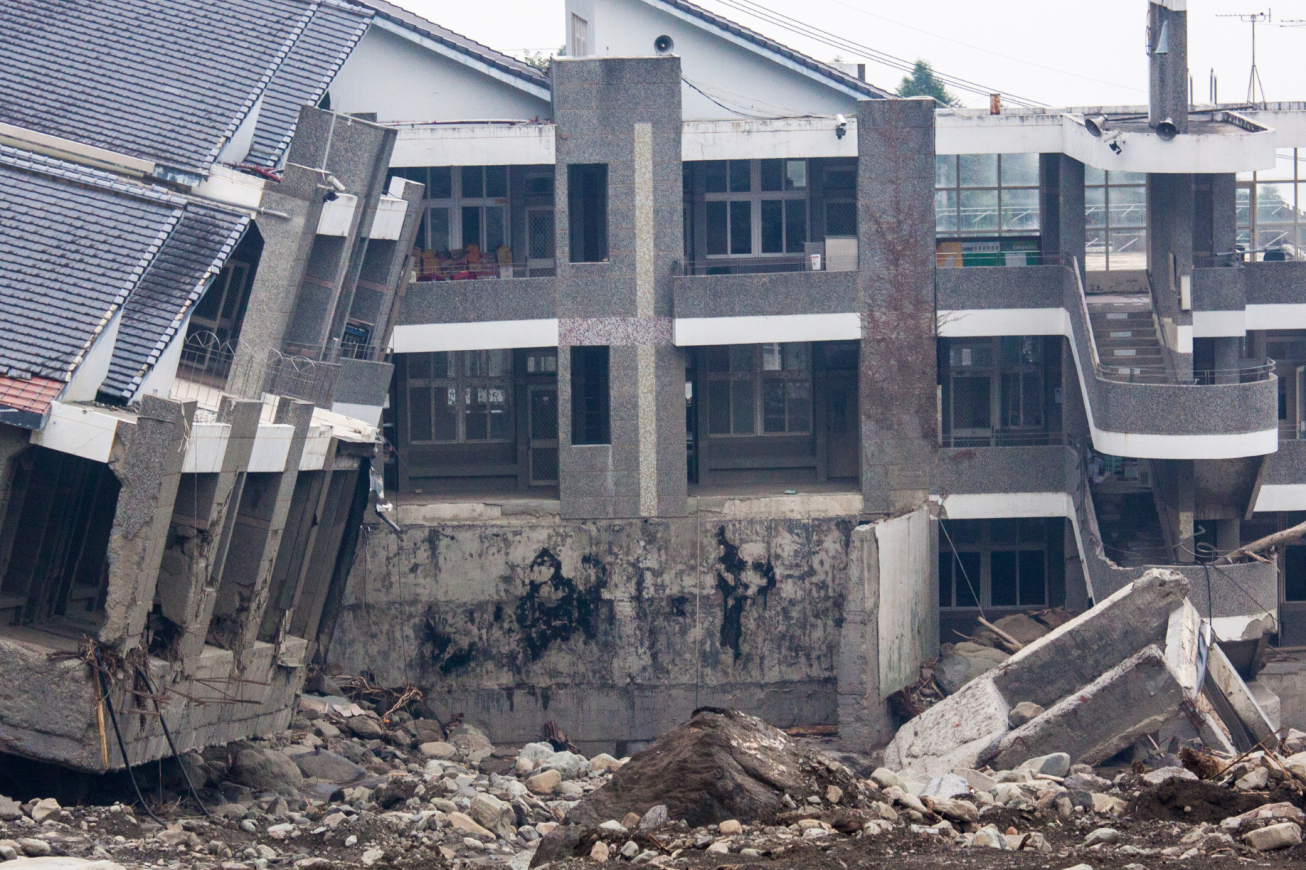
When disaster strikes, the immediate focus is on rescue and survival. But as the dust settles, a new, critical phase begins: rebuilding. This presents a profound challenge and a unique opportunity for architects, designers, and engineers. It’s a chance not just to replace what was lost, but to build back stronger, safer, and more resilient communities. For architectural designers, this is both a great responsibility and a remarkable privilege.
This article explores the role of architects in shaping the future of communities affected by natural disasters, turning tragedy into an opportunity for innovation and sustainable recovery.
Earn 4 HSW/LU’s and dive deeper into Architecture for Disaster Relief with this online CE course.
The Unique Challenges of Post-Disaster Environments
Designing in the aftermath of a natural disaster is unlike any other project. Professionals must navigate a landscape of immense complexity. Existing infrastructure, from roads to power grids, is often severely damaged or completely destroyed, cutting off essential lifelines and complicating logistics.
The environmental and site conditions can be almost unrecognizable. Time and cost constraints are extreme, demanding rapid yet effective solutions. Furthermore, the very cause of the disaster—be it an earthquake, hurricane, or flood—must be a primary consideration in every design decision to prevent future devastation. Factors like disorganized land use and a lack of adequate building standards often contribute to the scale of the damage, presenting complex problems that need to be solved.
Designing for People: Immediate and Long-Term Needs
Post-disaster response requires a phased approach that addresses both immediate survival and long-term well-being. Architects and engineers are uniquely positioned to design solutions that meet these evolving needs (UNDRR).
- Immediate Response: The first priority is shelter. Designs for this phase must use minimal, inexpensive materials that can be transported quickly. Construction methods should be simple, allowing community members to participate in building their own temporary housing.
- Short-Term Response: This phase moves beyond individual shelters to establish a sense of order. It involves creating temporary structures alongside rudimentary community planning, including roads, zoned areas for different activities, and easements for future infrastructure.
- Long-Term Response: This is where the vision for a resilient future takes shape. It involves a deep analysis of traditional building methods and materials, combined with an exploration of modern, sustainable, and disaster-resistant technologies. The goal is to create permanent structures and communities that provide physical safety as well as psychological and emotional satisfaction.
An Opportunity for Innovation and Resilience
The rebuilding process is a powerful catalyst for creativity. Design professionals have the chance to implement innovative solutions that can withstand future events. For example, in seismic zones, best practices call for simple, compact, and symmetrical building shapes to resist twisting forces. In hurricane-prone regions, the focus is on strengthening the entire load path of a structure, from the roof to the foundation, to protect against high winds.
The Power of Community-Led Design
Lasting success in post-disaster reconstruction hinges on community involvement. The people most affected by the disaster are the true experts on their own needs. A participatory design approach, where community members contribute ideas and express their needs through public forums, is essential. This principle is echoed by organizations like the World Bank, whose Disaster Risk Management resources highlight the critical role of local engagement in creating effective and sustainable recovery strategies.
External experts should aim to empower local communities and institutions, ensuring that the rebuilding effort is driven by the people themselves. This approach not only results in more effective and culturally appropriate designs but also restores a sense of agency and hope to those who have lost so much.
Building a More Resilient Future
The work of architects, designers, and engineers after a disaster goes far beyond technical drawings and material specifications. It is about understanding the human element of recovery and designing spaces that nurture both physical safety and social connection. By embracing the challenges, engaging with communities, and focusing on innovative, resilient design, these architects can help transform areas of devastation into beacons of strength.
Register for ‘Architecture for Disaster Relief’ to earn 4 LU/HSW units and learn even more on this topic.