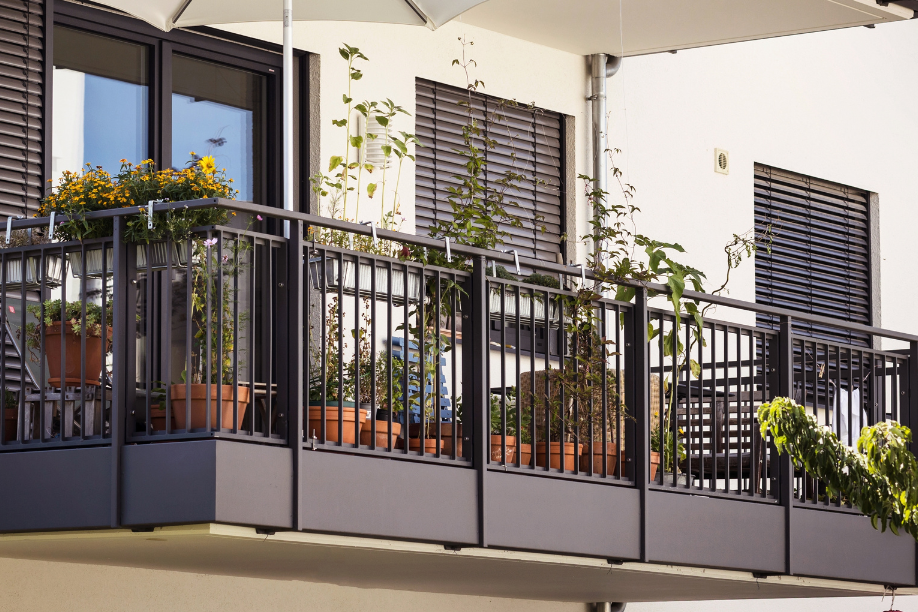
When designing railings for residential or commercial spaces, it’s crucial to consider not just their appearance but also safety and functionality. A well-designed railing is both a protective barrier and a visual statement, enhancing the overall design of a building. Below, we explore key aspects of effective railing design, covering building code requirements, fall prevention, material options, installation techniques, and aesthetic considerations.
The Foundation of Safety: Building Code Compliance
Building code compliance is at the heart of any railing design. Regulations ensure safety by setting clear standards for height, spacing, and load resistance. For example, codes typically require guardrails to be at least 42 inches high for commercial projects and mandate that rails resist a concentrated load of 200 pounds. Openings must be small enough to prevent a 4-inch sphere from passing through, effectively preventing children from slipping through or climbing.
It’s also critical to align designs with ADA (Americans with Disabilities Act) standards, especially for stairs and ramps. These guidelines recommend continuous handrails, specific heights (34 to 38 inches), and extensions to aid accessibility. Failing to meet regulations not only increases safety risks but can lead to costly revisions and legal challenges. Staying updated on evolving codes is essential, as even small changes can impact compliance.
Master the essentials of railing design & compliance with our comprehensive CE course here!
Selecting the Right Materials
Choosing the appropriate material for railings not only ensures durability but also affects maintenance, longevity, and aesthetics. Here’s a breakdown of some popular options:
- Stainless Steel – Known for its strength and corrosion resistance, stainless steel is a go-to choice for high-traffic areas like stadiums, airports, and schools. Though more expensive, its durability offsets long-term maintenance costs.
- Aluminum – Durable, lightweight, and low-maintenance, aluminum is a cost-effective solution. It resists corrosion and fading, making it suitable for outdoor applications. Powder coatings expand its aesthetic options with vibrant color finishes.
- Glass – A modern choice, glass railings offer sleek transparency and unobstructed views. Laminated glass with rigid inner layers, like SGP (Sensory Glass Plus), improves safety by holding shards in place if broken. However, lead times for some types of glass can be lengthy, so planning is key.
- Composite Materials – Popular in residential projects, composite railings provide the natural look of wood combined with rot and weather resistance. They are versatile and available in various styles and colors, ideal for low-maintenance setups.
- Bronze – Ideal for historic restorations, bronze adds timeless elegance. While it’s not cost-effective for large projects, it’s perfect for designs with intricate detailing or cultural significance.
Selecting materials depends on factors like location, budget, and the architectural style of the project. For example, while stainless steel may be ideal for a busy public area, a composite railing might suit a cozy residential balcony.
Secure Installation Options
A railing is only as safe as its installation. Securely anchoring railings prevents accidents caused by structural failure. Two main installation approaches are commonly used:
- Base Mounts – Railings placed on concrete or decks often use base plates, sleeves, or adhesive anchors. Among these, epoxy grouts are preferred for securing posts, especially aluminum or stainless steel, as they resist expansion and reduce wear over time.
- Side Mounts – Wall-mounted railings are ideal for staircases and elevated platforms. Adhesive anchors offer high load capacities and are better for materials like brick, while mechanical anchors are quick to install but can exert lateral pressure, risking structural damage.
Regular inspections and ensuring proper drainage at mounting points are additional steps to avoid water damage, especially in freeze-thaw climates.
Aesthetics and Design Versatility
Aesthetic choices play a significant role in how railings enhance a space. Whether blending into a minimalist design or making a bold statement, railing styles communicate the tone of the surroundings.
- Modern Looks – Glass and cable systems create a sleek, open appearance, ideal for contemporary designs. However, features like top caps or handrails are often required for safety.
- Traditional Styles – Aluminum or composite railings mimic classic wood designs while offering better durability. Powder-coated finishes further customize color options.
- Custom Design – For unique projects, custom infill panels such as waterjet-cut designs or artistic patterns allow designers to integrate “functional art” into structures while adhering to safety standards.
Aesthetic details like lighting under railings or ornate caps on posts can further elevate the final look, making railings functional yet visually inspiring.
Safety Meets Style
Railing design is an art of balance—where function and beauty intersect. Codes and secure installations establish safety, while material choice reflects project priorities like durability or sustainability. Finally, design details offer an opportunity to tell a story, whether through clean modern lines or intricate traditional patterns.
For architects and builders, considering all these factors ensures a final product that not only protects lives but enhances spaces with elegance and purpose. With the right combination of planning, compliance, and creativity, railings can do much more than guard—they can transform a space.
Register for the ‘Lean On Me — Choosing Railings Carefully’ course to earn 3 LU/HSW units and learn even more on this topic.