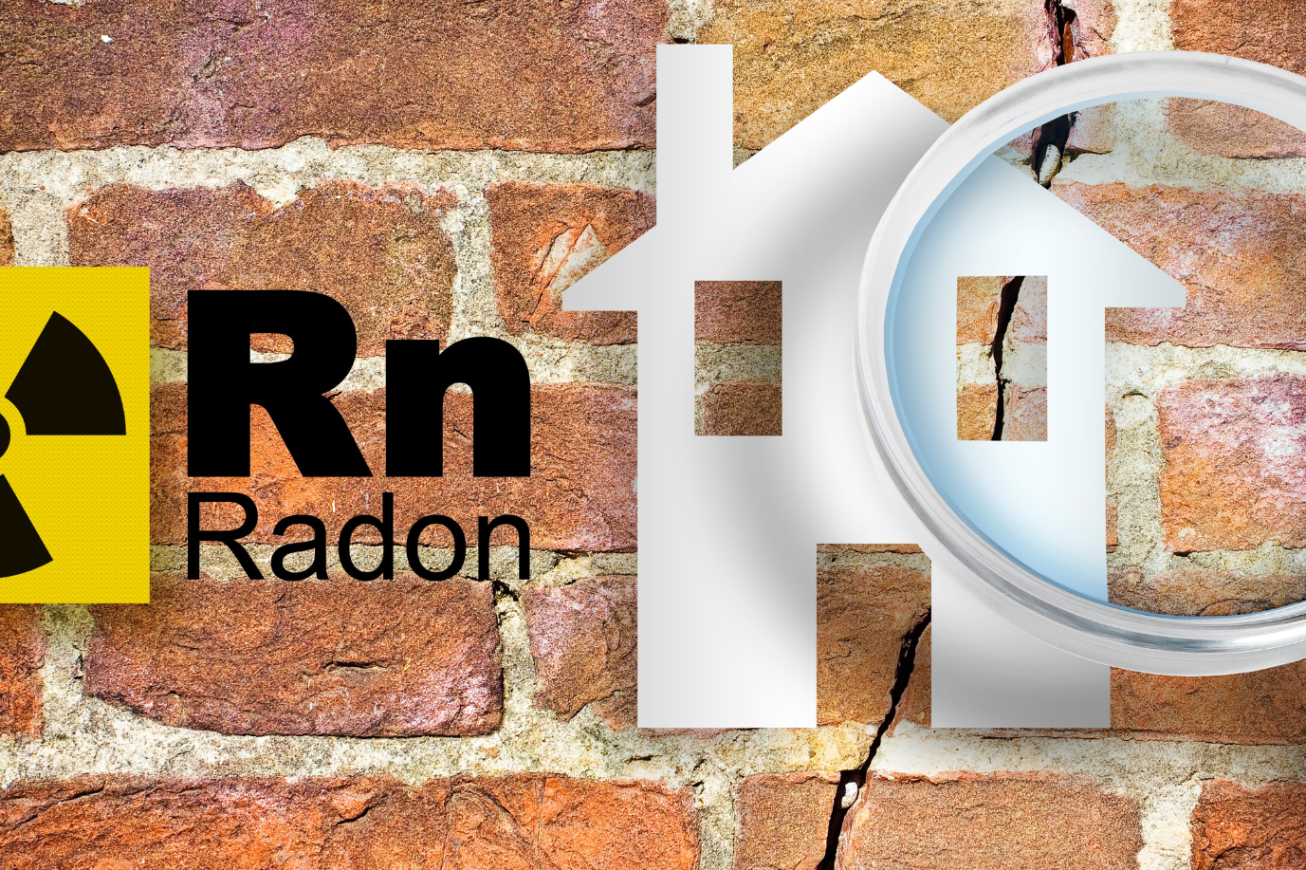
Radon gas, a silent and odorless threat, can lurk in homes and pose serious health risks to occupants. Originating from the breakdown of uranium in rocks and soil, radon infiltrates buildings through various pathways, including soil, water, and building materials. Learn about testing methods, radon mitigation systems, and the impact of building construction on radon accumulation. From active ventilation systems to passive filtration, discover how to safeguard your home and loved ones from this invisible danger. Let’s delve into the world of radon, uncovering its risks and empowering architects, builders, and homeowners to take proactive measures for safer indoor environments.
What is Radon Gas?
Radon, a radioactive gas, is formed when uranium, which is found in most rocks and soils, breaks down and decays into radium, which further decays into radon. This gas rises up through the soil and can easily penetrate buildings through cracks, holes, and other pathways. Radon levels are measured in picocuries per liter of air (pCi/L), indicating the amount of radioactivity present. Despite being invisible, odorless, and tasteless, in high concentrations radon is highly dangerous, as prolonged exposure can lead to lung cancer.
Sources of Radon Infiltration
Radon can enter buildings through various pathways. The most significant way is through soil. With soil, factors such as the presence of uranium, soil permeability, and negative air pressure inside buildings contribute to levels of radon infiltration. The soil’s permeability allows radon to seep through slabs, basements, and crawl spaces. Additionally, small holes or cracks in the foundation, plumbing penetrations, and certain pumps serve as additional pathways for radon infiltration. Negative air pressure within buildings or crawl spaces can further exacerbate the issue, creating a vacuum that draws radon gas up from the soil below the foundation.
Radon can also enter buildings by seeping into the water supply. Although there isn’t a great danger from ingesting radon in water, it poses a big potential health risk when released into the air as steam during activities like showering. Building materials containing uranium, such as granite and certain concrete products, also emit radon gas.
Checkout out our online video course, Dealing with Radon to earn 1 CE credit.
Health Risks Associated with Radon
Exposure to radon poses significant health risks, particularly the risk of lung cancer. Radioactive particles released by decaying radon enter the lungs, damaging DNA and increasing the risk of cancer development. While not everyone exposed to radon develops cancer, the risk escalates with prolonged exposure to high concentrations. Smokers face even higher risks due to compromised lung health. Importantly, symptoms of radon exposure are not immediate, with lung cancer typically manifesting years after exposure enhancing the importance of preventative testing and mitigation systems.
Testing and Mitigation Strategies
Testing for radon is crucial, especially when living patterns change or during real estate transactions. Radon testing should be conducted regularly, particularly when choosing to inhibit rooms that havent been used before, moving into lower levels of buildings, or moving into a new home. Mitigation strategies include active ventilation systems and passive filtration methods, aimed at reducing radon levels indoors. Point-of-entry and point-of-use treatments for radon in water supplies are also available to minimize exposure risks. Soil testing before building to determine high radon levels is not recommended as it cannot predict radon infiltration into homes reliably. Despite low soil levels, radon entry pathways may still be created during site preparation.
The Environmental Protection Agency (EPA) provides guidance on radon potential zones, categorizing counties based on predicted indoor radon levels. Their Map of Radon Zones delineates three zones for each county in the United State.
- Zone one includes counties with predicted average indoor levels greater than four pCi/L.
- zone two includes counties with levels between two and four pCi/L.
- Zone three includes counties with levels below two pCi/L, indicating minimal concern.
Installing radon-resistant features during construction is a cost-effective measure to mitigate risk, especially in areas identified as high radon potential zones.
Regulatory Measures and Building Codes
State and local governments are increasingly mandating radon disclosure in real estate transactions, similar to other property inspections. New residential building codes require continuous operation of exhaust fans to improve indoor air quality, although this can inadvertently exacerbate radon infiltration by creating a vacuum that pulls more radon gas out from the soil and into the building.
Growing Radon Awareness
While radon has been present since ancient times, modern construction techniques, driven by energy codes, have led to more airtight buildings. Consequently, radon gas levels are rising within structures, resulting in Radon gas becoming a significant health hazard in homes. Understanding the sources and risks associated with radon infiltration is crucial for protecting occupants from its harmful effects. By implementing proactive measures, such as regular testing and installation of mitigation systems, individuals can create safer indoor environments, mitigate the dangers of radon, and ensure healthier homes for all.
Take our online video course “Dealing with Radon” to do a deep dive into how to design for radon mitigation. We cover simple building practices, installation steps, and foundation materials that can be used to mitigate Radon infiltration and the effectiveness of each.
View Course
Author: Paul Spite