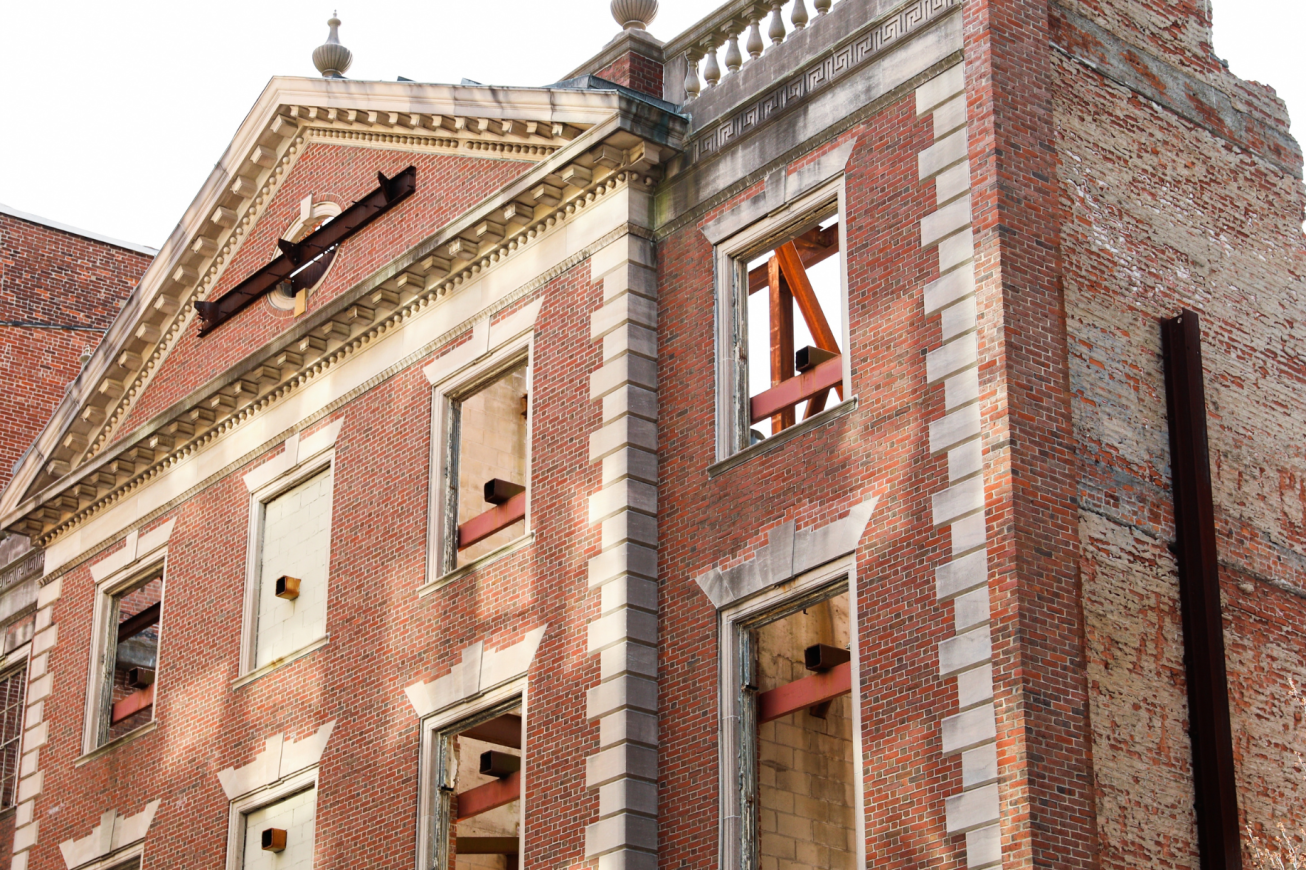
What are the greenest most sustainable buildings? The answer might surprise you. Unravel this question while going through a comprehensive guide to seamlessly blending modern technology with historic detailing in the pursuit of sustainable adaptive reuse in architecture. Look at the intricate components within older or historic buildings and learn to decipher the optimal pathways for their utilization. Discern sources for environmentally friendly materials, and how to seamlessly integrate them into your projects while grasping the inherent principles guiding the choice of adaptive reuse. Delve into the nuances of adaptive reuse—comprehending both its advantages and challenges. Ultimately, unravel the compelling reasons why buildings subjected to adaptive reuse, after thoughtful renovation, stand as paragons of sustainability in the realm of architecture.
Designing for Future Building Recycling
In the realm of building reuse, a fascinating trend is emerging—building recycling. This involves intentionally using components that can be easily disassembled and repurposed, resembling a modern architectural adaptation of Legos. The key lies in modular component use, with many building materials conveniently aligning with two-foot increments. Designing with full-size pieces and opting for adaptable fasteners enhances future reusability. Unbolting steel components, choosing screws over nails, and employing clips for panelized elements simplify disassembly. Furthermore, selecting materials easily recycled into similar products promotes sustainability. Expanding on this theme, architects are encouraged to design buildings with an eye on future expansion. A master plan, outlining phases and oversizing utilities, minimizes the need for extensive renovations, reducing raw material consumption, energy consumption, and landfill waste.
Join our upcoming live webinar “The Greenest Building” to dive further in on how to determine reuse options for older buildings.
Benefits to Reuse Buildings:
Preserving Architectural Heritage
The synthesis of modern technology and historic detailing imparts a unique and irreplaceable essence to a place. Once heritage buildings are lost, their stories vanish, leaving behind a void impossible to fill. These structures are living testaments to artisan crafts, intricate detailing, and the narratives of bygone eras, forging connections to history that resonate with architects at a profound level.
Urban Renewal & Creating Architectural Icons
Beyond preservation, well-executed adaptive reuse projects transform heritage buildings into architectural icons, becoming focal points for urban renewal. Recognizing the intrinsic value of maintaining original characters, renowned architects are increasingly drawn to the challenge. Leading brands such as Whole Foods and Barnes & Noble are actively seeking historic buildings, realizing that their unique charm contributes to urban revitalization without sacrificing authenticity.
Confronting Past Urban Mistakes:
The narrative expands to confront the consequences of past urban sprawl, a phenomenon that architects acknowledge as contributing directly to inner-city decay. Neglected architectural gems, due to lack of maintenance, have caused economic decline and the displacement of communities. Cities, like Gary, Indiana, stand as poignant examples of the impact of such neglect. Adaptive reuse, propelled by private investors, emerges as a potent solution, breathing new life into neglected urban spaces.
Enhances Buildings for Modern Living:
Preservation efforts are complemented by the integration of modern amenities such as internet connectivity, advanced power systems, and sustainable water solutions. Architects navigate the delicate process of revamping interiors while preserving structural and exterior facades, ensuring a harmonious balance between tradition and contemporary needs. This approach not only preserves architectural heritage but also enhances the livability of these spaces for modern occupants.
Navigating Architectural Challenges in Adaptive Reuse
Adaptive reuse projects encounter their own set of unique challenges. From unexpected surprises during demolition to the scarcity of skilled artisans, architects are tasked with carefully balancing the preservation of architectural heritage with the demands of contemporary markets. Economic viability and private investments hinge on the extent of upgrades needed, instilling a need for architects to conduct thorough cost versus benefit analyses before embarking on transformative projects.
Environmental Impact of Adaptive Reuse in Architecture
In an era dominated by environmental concerns, architects take center stage in steering the industry towards sustainable design. Reusing existing structures is a form of primary recycling, making optimal use of materials already present on-site. Energy conservation is a large benefit of these projects, with adaptive reuse projects significantly reducing the need for new construction and associated energy consumption. The overall environmental impact positions architectural reuse as a sustainable choice compared to demolition and new construction.
Older buildings also serve as reservoirs of raw materials for new architectural endeavors. Salvaging unique components with ornate detailing becomes not only environmentally responsible but also an economically viable endeavor. The distinctive features of heritage structures find markets for reuse, highlighting the architectural richness that can be repurposed for new creations.
Conclusion
The fusion of modern technology with historic detailing in adaptive reuse projects presents architects with an opportunity to create a sustainable and vibrant architectural landscape. A structurally sound facility has great value and can be maximized through adaptive renovations that cater to current market demands. While demolition is a valid option for buildings not meeting modern needs, choosing building reuse, especially for different purposes, proves the most sustainable. Building reuse conserves water and energy, minimizes environmental impact, and enhances thermal performance, aligning with sustainability goals and benefiting communities and occupants. As stewards of architectural heritage, architects play a pivotal role in shaping a future where preservation, sustainability, and innovation seamlessly coexist within the architectural tapestry.